Many people in Hamilton and the Greater Toronto Area (GTA) are looking for effective ways to improve their social skills in a supportive environment. Group therapy offers a structured, evidence-based approach that helps children, teens, and adults build real friendships, communication skills, and confidence. Whether you are a parent seeking help for a child with autism or an adult looking to improve your own social interactions, group therapy for social skills in Hamilton and the GTA provides accessible options to meet diverse needs.
What Is Group Therapy for Social Skills?
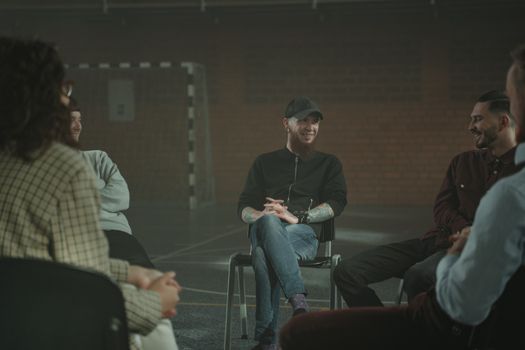
Group therapy for social skills is a form of therapeutic intervention where participants meet regularly in small groups to practice interpersonal techniques under the guidance of a trained therapist. The sessions are designed to teach and reinforce appropriate social behaviours, such as starting conversations, reading nonverbal cues, taking turns, and managing emotions. In Hamilton and the GTA, these groups are offered both online and in person, typically once a week for a set number of weeks. For example, some programs run weekly for five weeks and incorporate cognitive behavioural therapy techniques to reduce symptoms of anxiety and depression, which often interfere with social functioning.
These groups are not just for children. Adults can also benefit from dialectical behaviour therapy (DBT) informed skills groups, which teach life coping skills to help manage intense emotions and improve relationships. The core idea is that learning social skills in a group setting provides natural opportunities to practise with peers, receive feedback, and build lasting connections.
Who Can Benefit from Social Skills Groups?
Social skills groups are designed for a wide range of individuals. Many programs specifically meet the learning needs of children impacted by ADHD, Asperger syndrome or autism spectrum disorder (ASD), and nonverbal learning disabilities. The research pack indicates that group therapy for social skills in Hamilton and the GTA is available for kids, teens, and adults, and free workshops and drop-in educational groups focused on mindfulness, coping skills, and connection are also offered in some locations.
Parents can also participate in separate groups that provide support and training, allowing the whole family to learn strategies together. Groups offer the chance to receive therapeutic care at a lower cost compared to individual sessions, and they help participants connect with others who are facing similar challenges. If you are unsure whether a group is appropriate for your situation, many providers encourage you to inquire further to see if the fit is right.

Types of Social Skills Groups Available
In Hamilton and the GTA, you can find a variety of group therapy options for social skills. Here is a summary of common types based on the research:
| Group Type | Description | Typical Focus |
|---|---|---|
| Children’s Social Skills Groups | Structured sessions using play and guided interaction to teach turn-taking, sharing, and conversation. | Peer interaction, emotional regulation, following social rules |
| Teen Social Skills Groups | Addresses more complex social situations such as handling peer pressure, dating, and group projects. | Assertiveness, perspective-taking, conflict resolution |
| Adult Social Skills Groups | Helps adults improve communication, manage social anxiety, and build professional relationships. | Workplace etiquette, dating, making friends |
| DBT Adult Skills Groups | DBT informed classes that provide an introduction to life coping skills for managing intense emotions. | Mindfulness, distress tolerance, interpersonal effectiveness |
| Parent Support Groups | Groups for parents to learn strategies to support their child’s social development and connect with others. | Positive parenting, advocacy, self-care |
Programs are offered both online and in person. Some groups require a referral from a family doctor or a self-referral process, as seen with the Hamilton Family Health Team. Others are open to anyone and can be accessed directly by contacting the provider.
How Group Therapy Helps with Social Skills Development
The structured nature of group therapy provides consistent practice and reinforcement. Participants learn cognitive behavioural therapy techniques to reduce symptoms of depression and anxiety, which often block social progress. In a typical session, the therapist leads activities designed to target specific skills, such as reading body language, initiating conversations, or handling disappointment. Small group sizes ensure that each person gets individual attention and enough turns to practise.
Progress reports are often included, especially in programs designed for children with autism. This allows parents and caregivers to see measurable improvements over time. The evidence-based approach used by providers in Hamilton and the GTA ensures that the methods are grounded in research and proven to work. For children on the autism spectrum, these groups can be funded through the Ontario Autism Program (OAP), making them more affordable for families.
One of the biggest advantages of group therapy is the social interaction itself. Being in a room with peers who have similar challenges creates a sense of belonging. Participants can learn from each other’s successes and mistakes in a safe, supervised environment. This peer learning is something that individual therapy cannot replicate.
Finding Group Therapy in Hamilton and the GTA
Several providers offer group therapy for social skills across Hamilton, Brampton, Mississauga, Toronto, and surrounding communities. The following options are mentioned in the research:
- OBSS – Offers structured, evidence-based group sessions for children with autism in Hamilton, Brampton, Mississauga, and Toronto. Small group sizes are used, and progress reports are provided. OAP funding is eligible.
- CASE Psychology – Provides a range of groups for children, teens, and parents in Burlington and the GTA. Groups offer therapeutic care at a lower cost and help connect participants with others who have similar concerns.
- Acorn Counselling – Runs free workshops and drop-in educational groups focused on mindfulness, coping skills, and connection in the Hamilton area.
- Bonds Autism Centre – Offers group services designed to foster social skills development and enhance life skills in a collaborative setting.
- Now What Supports – Provides kids and teens programs with flexible individual or mini-group therapeutic sessions to build life skills.
- Social Work Solutions Canada – Offers a DBT informed adult skills group that provides an introduction to life coping skills for managing intense emotions.
- Hamilton Family Health Team (HFHT) – Offers referral groups for patients, including physiotherapy groups and CBT-based groups for depression and anxiety. A referral from a doctor may be required.
It is recommended to contact these providers directly to confirm current schedules, availability, fees, and whether your specific needs can be addressed. Some groups may have limited spaces or specific age requirements.
Frequently Asked Questions
What age groups are served by social skills therapy in Hamilton and the GTA?
Providers in the region offer group therapy for kids, teens, and adults. Some programs focus specifically on children impacted by ADHD, autism spectrum disorder, or nonverbal learning disabilities, while others are designed for adults looking to improve coping and communication skills.
Is group therapy for social skills covered by the Ontario Autism Program?
Yes, some programs are OAP funding eligible. For example, OBSS group therapy sessions for children with autism can be funded through OAP. It is best to confirm funding eligibility directly with the provider before enrolling, as policies and availability may change.
How long does a typical social skills group program last?
Many programs run once a week for a set period, such as five weeks. Sessions may be offered online or in person. The exact duration depends on the provider and the group type. Some ongoing groups or drop-in workshops are also available for continued support.
Can adults benefit from group therapy for social skills?
Yes, adults can benefit greatly. DBT informed adult skills groups, for instance, provide an introduction to life coping skills that help manage intense emotions and improve relationships. These groups teach techniques like mindfulness, distress tolerance, and interpersonal effectiveness, all of which are essential for social functioning.
Do I need a referral to join a social skills group?
It depends on the provider. Some groups, like those offered through the Hamilton Family Health Team, may require a doctor’s referral or a self-referral process. Other independent providers allow you to contact them directly to register. Always check with the specific organization for their enrolment requirements.
Finding the right group therapy for social skills in Hamilton and the GTA can make a meaningful difference in your life or your child’s life. With options for different age groups, funding support, and a variety of therapeutic approaches, there is a program available to suit most needs. Reach out to a local provider to learn more about their current offerings and take the first step toward stronger social connections.