Centre-based ABA therapy offers a structured, distraction-controlled environment where children with autism can learn new skills through Applied Behaviour Analysis. For families in Milton and the surrounding Greater Toronto Area, clinics like those operated by OBSS provide an evidence-based, multidisciplinary approach. Understanding what happens inside a centre-based program can help parents make an informed decision about their child’s care.
How Centre-Based ABA Therapy Works
In a centre-based setting, therapy takes place in a dedicated clinic space designed specifically for behavioural intervention. Sessions are led by registered behaviour therapists who work under the supervision of a Board Certified Behavior Analyst (BCBA). The day typically includes one-on-one teaching, small-group activities, and natural environment teaching. Each child follows an individualized treatment plan that targets communication, social, self-help, and academic skills.
One of the main advantages of centre-based therapy is the ability to control the environment. There are fewer distractions than at home, and the space can be set up with visual schedules, structured play areas, and materials that support learning. This setup helps children focus and allows therapists to quickly implement strategies for behaviour reduction and skill acquisition. OBSS offers both in-home and centre-based service, so families can choose the setting that best fits their child’s needs. For Milton residents, OBSS’s clinic near Square One in Mississauga is easily accessible and currently accepts new clients with no waitlist.

Key Components of an OBSS Centre-Based Program
OBSS programs are built on a foundation of evidence-based ABA principles. The following components are typical of a centre-based program at an OBSS clinic:
- BCBA Supervision: A certified behaviour analyst designs the treatment plan, trains therapists, and monitors progress through regular data review and direct observation.
- Individualized Treatment Plans: Goals are based on a comprehensive assessment and address the child’s unique strengths and challenges, with measurable objectives that are updated regularly.
- Data Collection: Therapists collect trial-by-trial data during sessions to track skill acquisition and behaviour change. Graphs are reviewed weekly to ensure the program is working.
- Parent Training and Collaboration: Parents are encouraged to participate in training sessions and monthly meetings with the BCBA to learn strategies for generalization at home.
- Multidisciplinary Support: OBSS integrates ABA therapy with speech-language pathology and occupational therapy when needed, offering a coordinated approach to development.
Evening and weekend sessions are available at OBSS, providing flexibility for families with busy schedules. This is especially helpful for children who attend school during the day or for parents who work standard hours.
Comparing Centre-Based and In-Home ABA Therapy
Both centre-based and in-home ABA therapy have their own benefits. The choice often depends on the child’s goals, family routine, and the level of structure required. The table below outlines the key differences to help you decide which option may be right for your family.
| Aspect | Centre-Based Therapy | In-Home Therapy |
|---|---|---|
| Environment | Controlled, distraction‑free clinic space with specialized materials | Natural home setting, may include siblings, pets, and household routines |
| Social Interaction | Structured peer modelling, group activities, and social skills groups | Limited to family members and occasional planned playdates |
| Parent Involvement | Regular parent training sessions at the clinic; observations via video or one‑way mirror | Therapist works directly in the home; parent can be present and coached in real time |
| Transportation | Requires travel to the clinic (e.g., OBSS near Square One) | No travel needed; therapist comes to your home |
| Consistency of Staff | Team of therapists rotates based on schedule; BCBA is on‑site regularly | Typically one primary therapist visits; BCBA supervision may be remote or intermittent |
Many families start with centre-based therapy for concentrated early intervention while their child is young, then transition to in-home sessions as skills become more established. OBSS provides both options so that services can evolve with the child’s needs.
What to Expect During Your First Visit to an OBSS Clinic
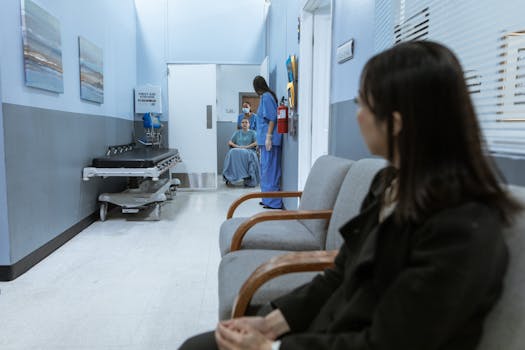
Your first experience at a centre-based ABA clinic will usually begin with an intake appointment. At OBSS, the process is designed to be welcoming and informative. A BCBA will conduct an initial assessment, which may include direct observation, interviews with parents, and a review of any previous reports. This assessment forms the foundation of the individualized treatment plan.
You will also have the opportunity to tour the centre and see the therapy rooms, play areas, and resources used during sessions. The BCBA will explain how the daily schedule works, how data is collected, and how you can stay involved in your child’s progress. Because OBSS is currently accepting new clients across all Mississauga neighbourhoods and in‑home as well, you can expect a relatively short start‑up timeline. Evening and weekend sessions are available to accommodate your family’s schedule.
During the first few weeks, therapists focus on building rapport with your child and establishing instructional control. Goals are introduced gradually, and the team communicates regularly with you about what your child is working on. You may be invited to observe sessions or join parent training workshops that cover topics such as reinforcement strategies, prompting, and managing challenging behaviours at home.
Frequently Asked Questions
What is the difference between centre-based and home-based ABA therapy?
Centre-based therapy takes place in a dedicated clinic with a controlled environment and opportunities for peer interaction. In-home therapy occurs in the natural setting of your house, allowing for skills to be taught directly within daily routines. Both are effective, and many providers offer a combination to meet the child’s changing needs.
How many hours of centre-based ABA therapy are recommended?
The number of hours depends on the child’s age, skill level, and clinical recommendations. Early intervention programs often involve 20 to 40 hours per week, while less intensive models may offer 10 to 15 hours. The BCBA will determine the optimal dose based on assessment results and family goals.
Do parents stay during centre-based sessions?
Parent attendance varies by clinic policy and the child’s needs. Many centres encourage parents to drop off their child to promote independence, but they also offer parent training sessions and regular updates. Some clinics have observation rooms where parents can watch sessions without disrupting the child’s focus.
How is progress measured in centre-based ABA therapy?
Therapists collect data on each target skill during every session. This data is graphed and reviewed weekly by the BCBA to determine whether the child is making progress. If goals are not being met, the teaching approach or reinforcement plan is adjusted. Formal progress reports are typically shared with parents monthly or quarterly.
Choosing the right treatment setting for your child is an important decision. Centre-based ABA therapy at an OBSS clinic offers a structured, supportive environment with expert supervision and a multidisciplinary approach. Families in Milton can access these services through OBSS’s location near Square One, with no waitlist and flexible scheduling. Whether you are just starting your autism journey or looking for a change in providers, visiting a centre in person can give you a clear picture of how your child will learn and grow.