
What does real progress look like for a child in ABA therapy? For one Burlington family, it was hearing their son say “I love you” for the first time at age five.
This moment did not happen by chance. It was the result of a structured, compassionate, and carefully applied therapy plan. The journey highlights how targeted support can unlock a child’s potential. This ABA therapy success story Burlington residents can relate to shows the tangible outcomes possible with dedicated intervention.
Applied Behavior Analysis is not a one-size-fits-all solution. Its power lies in customization. Every goal, every reward, every session is built around the individual child. Success is measured in many ways, from a new word to a shared smile.
Defining Success in an ABA Therapy Success Story
Success in ABA therapy is personal. For some families, it is a child learning to communicate basic needs. For others, it is reducing challenging behaviors that limit social opportunities. Positive ABA experiences are built on small, consistent achievements.
The foundation is assessment. Board Certified Behavior Analysts (BCBAs) identify specific skills to teach. They also note behaviors that may interfere with learning. A clear plan is then created. This plan is the roadmap for therapists and parents.
Therapy often focuses on key developmental areas. Communication and language skills are common goals. Social interaction and play skills are also crucial. So are daily living skills like dressing or using utensils. Each mastered skill builds confidence and independence.
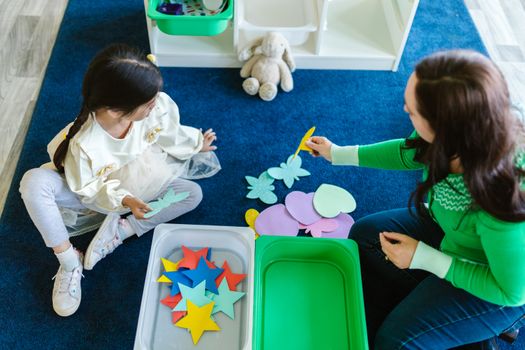
Measuring these behavioral therapy outcomes is systematic. Data is collected in every session. This objective tracking shows what is working. It allows therapists to adjust strategies quickly. Families see the proof of progress in charts and reports, not just feelings. This data-driven approach is central to success with applied behavior analysis.
The Critical Role of Early Intervention
Beginning therapy early can change a child’s developmental trajectory. Early intervention success is well-documented in autism support. The brain’s plasticity in young children means they can learn new skills rapidly. ABA therapy capitalizes on this potential.
In our Burlington story, the child began therapy at three years old. He had minimal verbal communication and frequent tantrums. The early focus was on building a connection with his therapist. From there, they worked on requesting items using pictures and sounds. These first steps are often the most challenging.
Parents are not observers in this process. They are active team members. Autism Training GTA & Hamilton Parent & Pro Workshops equip families with strategies. They learn how to reinforce skills during daily routines at home. This consistency between therapy and home life accelerates learning. It turns everyday moments into teaching opportunities.
The goal of early intervention is to build a strong foundation. This foundation supports learning in school and community settings. It prepares children for greater challenges ahead. The autism progress stories we hear often start with a decision to seek help without delay.
Finding the Right Local Support in Burlington
A therapy plan is only as good as the team implementing it. Finding a qualified provider is the first practical step. Look for a Burlington ABA center or provider that emphasizes individualized care. The team should include BCBA supervisors and trained therapists.
Ask about their approach to family collaboration. The best providers view parents as partners. They offer regular team meetings and clear communication. You should feel informed and involved in your child’s program. For local options, you can explore our dedicated service page for ABA therapy in Burlington.

Consider the setting that fits your child’s needs. Some children thrive with the focus of in-home therapy. Others benefit from the social environment of a center. Many providers, including our ABA Therapy Service Areas: GTA, Brampton & Hamilton, offer both. The right setting can significantly influence engagement and results.
Do not overlook the importance of the therapist-child relationship. A strong, trusting bond is essential for motivation and learning. Observe sessions when possible. Notice how the therapist interacts with your child. Positive, encouraging interactions are a hallmark of effective Burlington autism therapy.
The Path Forward After Progress
An ABA therapy success story does not have an end date. Skills must be maintained and generalized to new settings. A good program plans for this transition from the start. The aim is for skills to be useful at school, at the park, and at family gatherings.
As children grow, goals evolve. Therapy may shift to more complex social skills or academic support. Group Therapy for Social Skills in Hamilton & GTA OBSS can be a natural next step. It provides a safe setting to practice interactions with peers.
The ultimate aba treatment results are a child who can engage with the world on their own terms. They have the tools to communicate, learn, and build relationships. Families gain strategies to support their child’s ongoing development. They move from crisis management to fostering growth.
If you are looking for a starting point, your story begins with a conversation. Reach out to a provider to discuss an assessment. Ask questions about their experience and methods. Learn how they measure and report on progress. Your child’s potential is waiting to be discovered.
Ready to explore what ABA therapy could mean for your family? Connect with our team to discuss your child’s needs and learn more about our personalized approach.