ABA Therapy Mississauga, Ontario
ABA Therapy Mississauga In-Home & In-Centre Personalised, play-based ABA programs for children with autism delivered in your home or at our Mississauga centre. BCBA-supervised, OAP-approved, and built around your child's unique goals.
Get Started ABA Therapy in Mississauga
Currently Accepting New ClientsSat–Sun 9:00am – 5:00pm
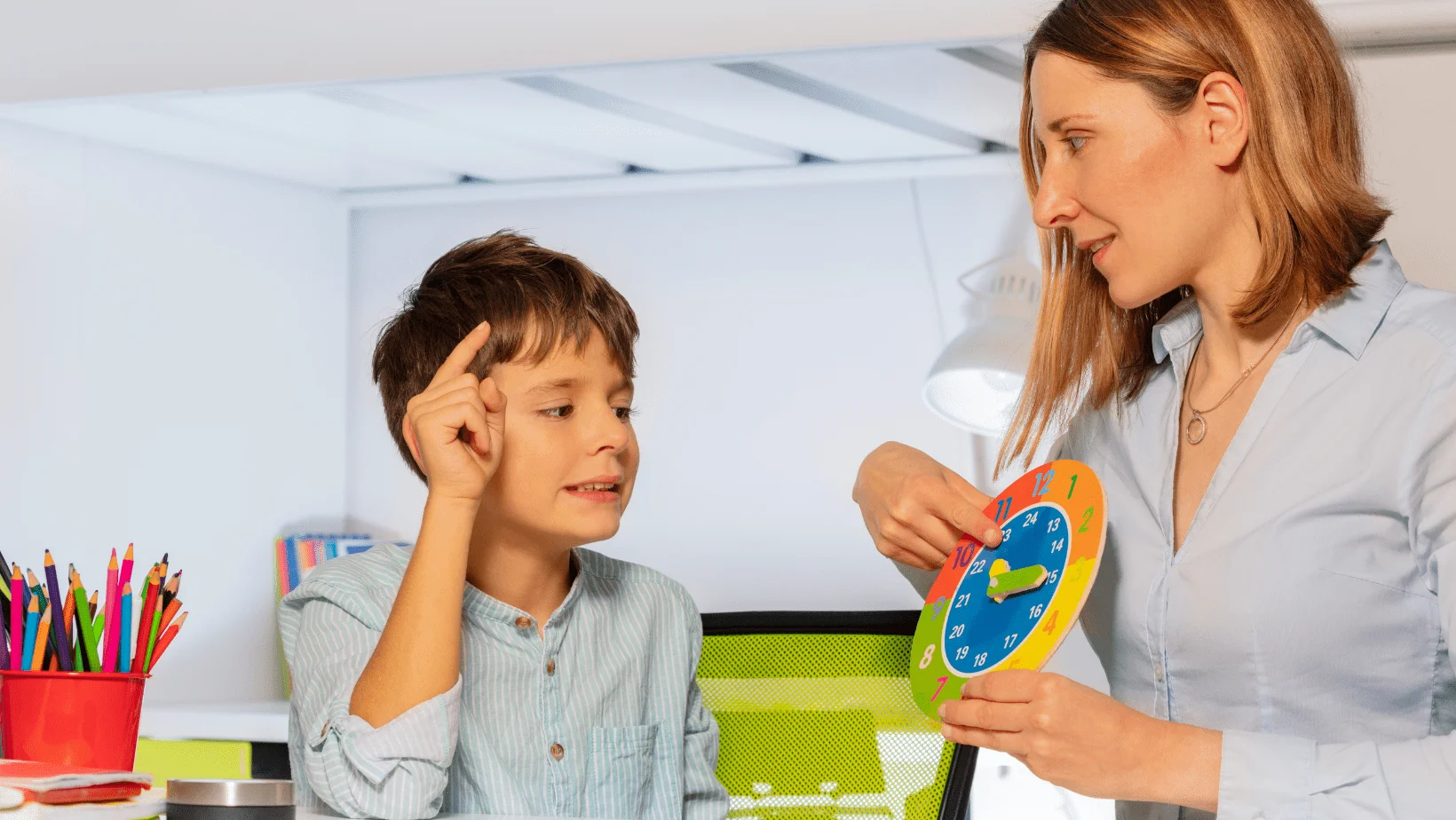
Expert ABA Therapy for Children with Autism in Mississauga
Who We Support
OBSS supports autistic children and youth across Mississauga from toddlers through to teens. We also partner with families exploring assessment or currently waiting for other services. Our team collaborates with caregivers, schools, SLPs, OTs, and paediatricians to build skills that matter at home, at school, and in the community.
Our Mississauga Centre - Near Square One
OBSS's head office and therapy centre is located at 39 Dundas St E #206, Mississauga, ON L5A 1V9 near Cooksville and a short drive from Square One. Our centre provides a structured, resource-rich environment ideal for school readiness programs and peer interaction sessions.
BCBA-Supervised From Day One
Every programme is designed by a Board Certified Behavior Analyst (BCBA) and continuously monitored with data-driven adjustments and regular written progress reports.
Start ABA Therapy in Mississauga →What OBSS Targets in ABA Therapy for Mississauga Children
Every OBSS programme is individualised. These are the most common goals our Mississauga BCBA team targets always aligned with your family's priorities.
🗣 Communication
Requesting, labelling, expanding expressive and receptive language, AAC support, and social communication.
🏠 Daily Living Skills
Toileting, dressing, feeding, grooming, personal hygiene, and household routines for independence.
👥 Social & Play Skills
Turn-taking, sharing, group readiness, peer interaction, cooperative play, and friendship building.
🏫 School Readiness
Following classroom routines, attention and focus, transitions, participating in group activities.
🧠 Behaviour Support
Reducing tantrums, rigidity, elopement, and self-regulation challenges through positive, proactive strategies.
🌍 Safety & Community
Street safety, community outings, navigating public spaces, and building independent living skills.
In-Home vs In-Centre ABA Therapy in Mississauga Which is Right for Your Child?
OBSS is one of the few Mississauga providers offering both settings. Here is how to choose or combine them for the best outcome.
🏠 In-Home ABA Therapy Mississauga
- Therapy in your natural home environment
- Skills practiced in real daily routines
- Caregiver participation in real contexts
- Faster generalisation of new skills
- Ideal for daily living, behaviour & communication
- No travel stress for children or families
🏢 In-Centre ABA Therapy Mississauga
- Structured teaching environment near Square One
- Access to peer interaction & group activities
- Specialist resources and materials on-site
- BCBA-direct supervision every session
- Ideal for school readiness & social skills
- 39 Dundas St E #206, Mississauga, ON L5A 1V9
ABA Therapy & Autism Services Available in Mississauga
OBSS offers a full continuum of evidence-based autism services from our Mississauga centre and across all Mississauga neighbourhoods.
In-Home ABA Therapy
BCBA-supervised therapy in your Mississauga home using Natural Environment Teaching building skills where your child uses them most.
In-Centre ABA Therapy
Structured ABA sessions at our Mississauga centre near Square One. Ideal for school readiness, peer interaction, and children who thrive in structured settings.
OAP Core Clinical Services
OBSS is an approved OAP provider. We handle all clinical reporting and documentation required for full programme compliance.
Parent Training Mississauga
Hands-on ABA parent training equipping Mississauga caregivers with strategies to support their child's development every day at home.
Group Therapy for Social Skills
Structured group sessions building peer social skills and communication. Available near Mississauga via our group therapy programme →
Virtual Parent Coaching
Virtual caregiver coaching available for Mississauga families who prefer online sessions practical ABA strategies delivered by a BCBA via video.
ABA Therapy Across All Mississauga Neighbourhoods
Our in-home therapy team covers all of Mississauga from Port Credit on the lakeshore to Meadowvale in the northwest. Our centre at Dundas & Cawthra (Cooksville) is centrally located and easily accessible from anywhere in the city.
We also serve families in nearby Brampton and Oakville.
Check Availability in Your Area →How ABA Therapy Works at OBSS Mississauga 6 Simple Steps
From your first contact to your child's first session, OBSS guides you through every step of the process.
Free Consultation
15–20 minute call to discuss your child's needs and answer funding questions.
Intake & Assessment
Your BCBA reviews history, observes your child, and conducts a strengths-based skills assessment.
Personalised Plan
Your BCBA designs goals and a teaching plan aligned with your family's priorities.
Therapy Begins
Sessions start in-home, in-centre, or both. Data collected every session for progress tracking.
Caregiver Coaching
We share strategies and home routines so your child's progress carries beyond sessions.
Review & Evolve
Regular progress reviews ensure goals always reflect your child's growth and your family's needs.
Using Ontario Autism Program (OAP) Funding for ABA Therapy in Mississauga
Mississauga families with children on the autism spectrum may be eligible for government funding through the Ontario Autism Program (OAP) to cover ABA therapy and related services.
OBSS is an OAP-approved provider. We have extensive experience supporting Mississauga families through the OAP application process. We handle all clinical documentation and OAP reporting on your behalf so you can focus on your child, not paperwork.
Information provided is general guidance and not legal or financial advice.
Ask Us About OAP in Mississauga →Core Clinical Services
Direct ABA therapy hours for eligible Mississauga children. OBSS creates a compliant clinical plan and manages all OAP documentation.
Foundational Family Services
Available while waiting for Core Clinical Services. Includes workshops and caregiver-mediated interventions through the OAP Access Portal.
Private Insurance & Self-Pay
We provide all documentation required for private insurance claims. Flexible self-pay options are also available ask during your free consultation.
Why Mississauga Families Choose OBSS for ABA Therapy
Based in Mississauga This is Our Home
OBSS's head office is right here in Mississauga at 39 Dundas St E #206, Mississauga, ON L5A 1V9, We are not a distant provider we live and work in this community and are deeply invested in supporting Mississauga families.
No Waitlist Start Now
We are currently accepting new clients across Mississauga with no waitlist for daytime, evening, and weekend sessions. Early intervention matters don't wait.
In-Home & In-Centre Only Provider Offering Both
Unlike most Mississauga ABA providers, OBSS offers both in-home and in-centre options and a seamless blend of both for children who benefit from multiple environments.
Collaborative with Your Whole Team
We actively coordinate with your child's school, SLP, OT, and paediatrician in Mississauga with your consent to ensure a unified, comprehensive approach to their development.
What Mississauga Families Say About OBSS
"We tried another provider in Mississauga first. The difference with OBSS was immediate the BCBA actually visited our home, understood our routine, and built a plan that fit our family."
"Having both in-home and in-centre options was key for us. Our son does communication goals at home and school-readiness at the centre the progress in both areas has been remarkable."
"OBSS handled our entire OAP application process. It took so much stress off our plate. The evening sessions work perfectly around both of our work schedules."
ABA Therapy in Mississauga - Frequently Asked Questions
The questions Mississauga families ask us most before getting started.
View All FAQs →Yes. OBSS's main centre is located at 39 Dundas St E #206, Mississauga, ON L5A 1V9 near Cooksville and Square One. We offer both in-centre ABA therapy at this location and in-home therapy across all Mississauga neighbourhoods.
No. OBSS is currently accepting new clients in Mississauga with no waitlist for daytime, evening, and weekend sessions. Contact us today to get started quickly early intervention matters.
It depends on age, goals, and assessment results. Many children start with 6–20 hours per week. Your BCBA will recommend a schedule that fits your child's needs and your family's routines after the initial assessment.
In-home ABA is ideal for daily living skills, behaviour support, and skill generalisation in natural routines. In-centre ABA at our Mississauga location provides a structured environment with peer interaction, ideal for school readiness. Many families blend both for optimal results your BCBA will recommend the right combination.
Yes. OBSS actively collaborates with schools, speech-language pathologists, occupational therapists, and paediatricians across Mississauga to ensure a coordinated, comprehensive approach to your child's development always with your consent.
OBSS is an approved Ontario Autism Program (OAP) provider. Once you receive your funding invitation, we create a compliant clinical plan and manage all documentation and reporting on your behalf.
OBSS offers virtual caregiver coaching and parent training for Mississauga families who prefer online sessions. Some therapy elements can also be delivered virtually where clinically appropriate. Ask us about virtual options during your free consultation.
OBSS provides ABA therapy for children and youth of all ages across Mississauga from toddlers through to teenagers. Early intervention delivers the strongest long-term outcomes, but ABA is beneficial at any developmental stage.
ABA Therapy Across Southern Ontario
OBSS serves families across Mississauga and the wider GTA. Find your nearest service area below.
Start ABA Therapy in Mississauga Today
OBSS is currently accepting new clients across all Mississauga neighbourhoods in-home and at our centre near Square One. No waitlist. Evening and weekend sessions available.