Parents and grandparents are often the first to notice that something about a child’s development feels different. That instinct matters. Research and clinical experience in Ontario consistently show that early identification of autism spectrum disorder (ASD) opens the door to earlier support, which can make a meaningful difference in a child’s development. For families in Oakville, understanding the early signs of autism and knowing when to seek help can be the first step toward getting the right services and supports in place.
This article outlines the early signs of autism in toddlers, explains the importance of acting promptly, and offers guidance on how to access assessments and support in the Oakville area. The goal is to help parents feel informed and empowered, not alarmed, as they observe their child’s unique development.
Why Early Recognition Matters
Autism spectrum disorder impacts every person differently. There is a wide range of variations in how ASD can present, which is why the early signs can sometimes be subtle or easy to explain away. However, identifying the signs of autism early in a child’s development is widely recognized as a key step toward accessing early intervention services. In Ontario, programs like the Ontario Autism Program provide funding and support for families, but accessing those services often begins with a formal diagnosis.
Some health care professionals may advise a “wait and see” approach or suggest that a child will “catch up.” While some developmental delays do resolve on their own, parents who have ongoing concerns should trust their observations. If a child experiences a loss of skills, sometimes called a regression, that is a particular reason to seek guidance promptly. Regression after a period of normal development warrants discussion with a doctor or pediatrician without delay.
Early Signs of Autism by Age
The signs of autism can emerge at different ages. Some children show indicators in infancy, while others may develop typically for a while and then lose skills. The following sections outline what parents might observe at different stages.
Signs Before 12 Months
Up to 12 months of age, signs of autism can include little or no babbling and little or no eye contact. A child may show more interest in objects than in people, or may not respond to gestures and facial expressions used by others. Limited response to their own name is another early indicator that parents sometimes notice in the first year. While every baby develops at their own pace, the absence of these social and communication milestones can be a reason to check in with a pediatrician.
Signs Between 6 and 12 Months
Between 6 and 12 months, specific indicators become more noticeable. These include a lack of response to gestures and facial expressions, limited or no eye contact, and a limited response to hearing their name. During this window, most infants begin to engage in back-and-forth exchanges like smiling, cooing, and reaching. A toddler who does not show these early social behaviours may benefit from a developmental screening.
Signs in Toddlers (12 Months and Older)
As children move into their toddler years, the signs of autism often become clearer. Common concerns include avoidance of eye contact or limited facial expressions, a lack of interest in other children or in sharing with others, and little or no response to their own name. Toddlers on the spectrum may also have difficulty understanding social cues, may prefer one-on-one interactions over group settings, and may appear socially shy or withdrawn. Parents may also notice a more limited range of interests or a preference for solitary play.
Communication and Social Interaction Signs
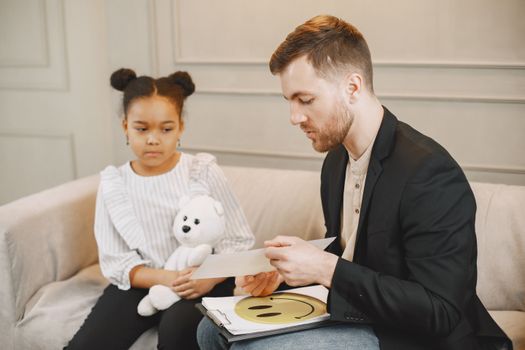
Communication differences are often among the earliest signs of autism. Beyond babbling, parents may notice that their toddler does not use gestures like pointing or waving, does not imitate sounds or actions, and has difficulty understanding simple spoken requests. Some children may repeat words or phrases over and over, sometimes called echolalia, rather than using words spontaneously to communicate.
Socially, a toddler with autism may not show interest in playing peek-a-boo, may not respond to their name being called, and may not look toward a parent when their name is said. A lack of shared enjoyment, such as not pointing to show an interesting object to a caregiver, is another potential sign. Difficulty understanding social cues and maintaining friendships tends to become more apparent as children approach school age, but the foundations of these challenges often appear much earlier.
Sensory Sensitivities and Repetitive Behaviours
Many children with autism experience unusual responses to sensory input. Some are hypersensitive to stimuli, which means they may hear lights buzzing, cannot tolerate certain types of touch, or are bothered by sounds that do not seem loud to others. Others may be fascinated with spinning objects, must smell things repeatedly, or seek out certain textures. These sensory differences can be an important clue for parents.
Repetitive behaviours are also common signs. These can include stereotyped motor movements such as spinning, hand flapping, or rocking. Children may line up toys instead of playing with them in imaginative ways. They may also develop strong attachments to specific objects or insist on strict routines. Resistance to change in daily routines is a classic pattern that parents often report.
Some children may exhibit repeated body movements, unusual responses to people, or strong attachments to objects. When these behaviors are persistent and interfere with daily life or learning, they are worth discussing with a health care professional.
When to Seek Help in Oakville
If parents are concerned about their child’s development, they should discuss their observations with a family doctor, pediatrician, or nurse practitioner. This is the recommended first step from health authorities in Canada. Parents do not need to have a confirmed diagnosis to raise concerns; describing specific behaviours and milestones is enough to start the conversation.
There is no benefit to waiting if concerns persist. Early identification of ASD is associated with earlier access to intervention, and many families in the Greater Toronto Area, including Oakville, Mississauga, and Hamilton, pursue assessments through qualified psychologists or paediatric specialists. Services and support are available across Ontario, and a doctor can provide referrals and guidance about local assessment options.
Understanding the Assessment Process
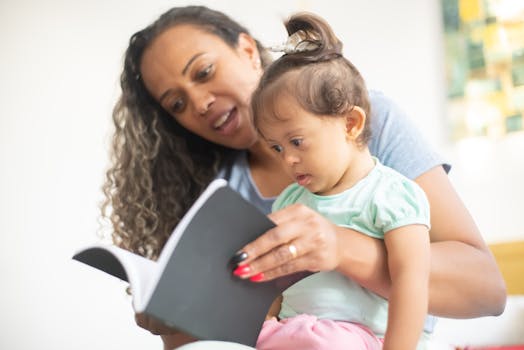
Autism assessments in Ontario are typically completed by psychologists, pediatricians, or specialized teams. The process usually involves a detailed developmental history, observation of the child, and standardized assessment tools. For parents, the process can feel lengthy, but it provides a clearer picture of a child’s strengths and needs.
A formal assessment can confirm whether a child meets the criteria for ASD and can also identify co-occurring conditions. This information is then used to guide recommendations for intervention. In Ontario, access to publicly funded services through the Ontario Autism Program typically requires a formal diagnosis, which makes the assessment an important gateway to support.
Support Services Available in Oakville and the GTA
Once a child has a diagnosis, families in Oakville and the surrounding Greater Toronto Area can access a range of supports. These may include speech-language pathology, occupational therapy, and Applied Behaviour Analysis (ABA) therapy. ABA therapy is an evidence-based approach that helps children build skills and reduce challenging behaviours. It is offered in-home and in centre-based settings, depending on the provider and the family’s needs.
Many providers in the GTA, including those serving Mississauga, Brampton, Hamilton, and surrounding communities, offer ABA therapy under the supervision of certified Board Certified Behavior Analysts (BCBAs). Some also provide evening and weekend sessions, and certain clinics operate without waitlists. Families interested in specific services should contact providers directly to confirm availability, program details, and any current enrolment status.

What Parents Can Do Today
If you notice any of the early signs described above, the most helpful step is to make an appointment with your child’s doctor. Write down the specific behaviours you have observed, including when they started and how often they occur. This information helps clinicians understand your child’s pattern of development.
You can also reach out to local support organizations. Autism Ontario provides information and resources for families, including regional events and services. Connecting with other parents and local community groups can be reassuring and practical, as many families in Oakville have navigated the same journey and can offer advice about local providers and services.
Early signs of autism do not automatically mean a child has ASD, and a difference in development is not a failure on the part of the parent. It simply means that a child may benefit from extra support. Taking the step to seek guidance is a powerful act of care.
Frequently Asked Questions
What are the most common early signs of autism in toddlers?
The most common early signs include limited or no eye contact, little or no babbling or speech, and a limited response to hearing their own name. Toddlers may also show repetitive behaviours like hand flapping, spinning, or lining up toys. Difficulty with social interaction, such as not sharing interest with others or avoiding play with other children, is also a frequent early indicator.
At what age can autism be detected in a toddler?
Signs of autism can be noticed before 12 months, such as a lack of babbling or limited eye contact, and they often become more apparent between 12 and 24 months. Many children are diagnosed between ages two and four, but parents who have concerns at any age should speak with a doctor without waiting to see if the child catches up.
What should I do if I think my toddler might have autism in Oakville?
Start by discussing your observations with your family doctor, pediatrician, or nurse practitioner. They can provide guidance, refer you for a developmental assessment, and connect you to local resources. Asking about a referral to a psychologist who specializes in ASD assessments is a reasonable next step if concerns continue.
Can a toddler show signs of autism and still be developing normally?
Toddlers develop at different rates, and some may show a few signs of autism without actually having ASD. However, when several signs are present or when a child loses skills they previously had, it is worth taking seriously. A specialist assessment is the most reliable way to understand whether a child’s development is typical or requires support.
Understanding the early signs of autism is the first step toward ensuring a child receives the support they need to thrive. In Oakville and across the Greater Toronto Area, resources and services are available for families who are ready to act. With the right guidance, children can make meaningful progress, and parents can feel confident in the path ahead.