A child who melts down during handwashing, struggles to hold a pencil, or avoids the noise of a school hallway is not being difficult on purpose. Those moments often point to differences in sensory processing, motor planning, or daily living skills, and they are exactly the kinds of challenges occupational therapy is built to address. For families in Mississauga, occupational therapy for autism focuses on the ordinary activities of childhood: getting dressed, eating, playing, writing, and taking part in school and community life. The goal is not to change who a child is, but to build the skills, routines, and supports that make daily participation easier for the whole family.
What Occupational Therapy Focuses On for Autistic Children
Occupational therapy looks at the activities that fill a person’s day and asks what is getting in the way. For an autistic child, those activities might include pulling on socks, sitting through circle time, using a fork, or joining a game with siblings. Occupational therapists, often called OTs, provide services for children and youth, and their work frequently centres on building independence, strength, and daily living skills.
In Mississauga, occupational therapy programs for autism commonly support sensory regulation, motor development, and confidence. Depending on the clinic, goals may also cover sensory integration, motor coordination, play skills, and school participation. A therapist typically starts by learning how a child manages daily routines at home, in childcare, and at school, then builds a plan around the specific tasks that matter most to that family.
That plan rarely looks the same for two children. One child may need help tolerating the feel of clothing seams. Another may need practice with the two-handed tasks involved in cutting with scissors. A third may be working on staying regulated long enough to finish a meal at the table. The thread connecting all of it is function: can the child do the thing they need or want to do, and what support makes that possible?
Skills an Occupational Therapy Program May Target
Occupational therapy for autism is practical by design. Sessions usually translate into outcomes families can see during the week, not just in the therapy room. The table below outlines common skill areas and how they tend to show up in everyday life.
| Skill area | How it can show up day to day |
|---|---|
| Sensory regulation | Coping with everyday sensory input so routines such as dressing, bathing, and mealtimes feel more manageable. |
| Motor coordination | Building hand and body control for writing in school, using utensils, managing fasteners, and playground activity. |
| Play skills | Developing the turn taking, imitation, and shared attention that let a child join play with peers and siblings. |
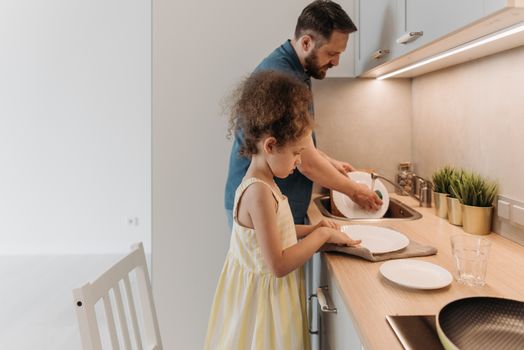
| Daily living skills | Practising dressing, grooming, feeding, and other self care tasks that build independence at home. |
| School participation | Supporting classroom demands such as sitting, listening, moving through the building, and completing assigned work. |
Progress in these areas often overlaps. A child who gains confidence with sensory regulation may find it easier to sit for a craft activity, which in turn creates more chances to practise fine motor skills and turn taking. That is why OT goals are usually written around real routines rather than isolated exercises.

Where Occupational Therapy Happens in Mississauga
Families in Mississauga have several routes to pediatric occupational therapy, and the setting can matter as much as the approach. Some services are delivered in a clinic, some at home, some in the community, and some through virtual or telehealth sessions. Always Connected Treatment Network, for example, describes supports for autistic children, youth, and adults across centre, home, school, community, and virtual settings. Shining Stars Support offers in-home, community, and centre-based occupational therapy for autism in Mississauga.
Clinic-based options include Nexus ABA Therapy, which provides occupational therapy in Mississauga for autism, sensory integration, motor coordination, play skills, and school participation. Hope Autism Services offers services in Mississauga and Vaughan with a focus on building independence, strength, and daily living skills. Papillon Family Health operates a Meadowvale, Mississauga clinic offering ABA therapy, speech therapy, occupational therapy, and various autism programs. Monarch House Mississauga lists behaviour therapy, speech therapy, occupational therapy, psychotherapy, group therapy, and caregiver-mediated early years services. Innovative Occupational Therapy Services provides paediatric occupational therapy for infants, toddlers, adolescents, and teens, with a Mississauga presence.
KickStart Therapy offers pediatric occupational therapy in Brampton and Mississauga, with a Mississauga location at 3530 Derry Rd E, Unit 212, available by appointment only. ErinoakKids lists occupational therapy among its services and includes a Mississauga site at 1230 Central Parkway West, along with an Assistive Device Resource Service. Because locations, referral processes, and availability change, it is worth confirming current details directly with any provider before you plan around them.
How Occupational Therapy Fits With ABA and Other Services
Autism support in Mississauga is rarely a single-service affair. Many children receive behaviour therapy alongside speech therapy, occupational therapy, or both, and the strongest programs tend to share goals rather than work in separate silos. ABA therapy often addresses learning, communication, and behaviour through structured teaching and reinforcement. Occupational therapy addresses the sensory, motor, and self care side of daily functioning. When the two align, a skill practised in one setting gets reinforced in the other.
OBSS provides in-home and centre-based Applied Behavior Analysis under the supervision of certified Board Certified Behavior Analyst® professionals, along with related services such as speech-language pathology and occupational therapy. That multidisciplinary model matters for families because it reduces the burden of coordinating separate providers who may never speak to each other.
Funding and Access to Pediatric Occupational Therapy
Cost is one of the first questions families ask, and the answer depends on the provider and the funding route. KickStart Therapy notes that families can access pediatric occupational therapy through private pay, extended health insurance, or Ontario Autism Program (OAP) core clinical services. Other clinics may operate differently, so it is worth asking each provider which options they accept.
If you plan to use extended health insurance, check your plan’s coverage for occupational therapy and whether a physician referral is required. If you are exploring the Ontario Autism Program, confirm current eligibility rules, funding categories, and application steps with the program directly, since program details are set outside any single clinic and can change.
Questions to Ask Before Choosing an OT Provider
A short list of questions can save months of mismatched service. Ask potential providers the following before booking an assessment:
- What ages do you work with, and how much experience does the therapist have with autistic children?
- Do you offer centre-based, in-home, community, or virtual sessions, and can you combine settings?
- How are goals set, and how will I see progress reported over time?
- Will the therapist coordinate with our ABA team, school, or speech-language pathologist?
- What funding do you accept, and what does a typical assessment and treatment schedule look like?
- Is there a waitlist, and are evening or weekend appointments available?
The answers will tell you a lot about fit. A provider who can describe how they involve caregivers in sessions, and how they carry goals into home and school routines, is usually a provider whose work will show up where it counts.
Getting Started With Support in Mississauga
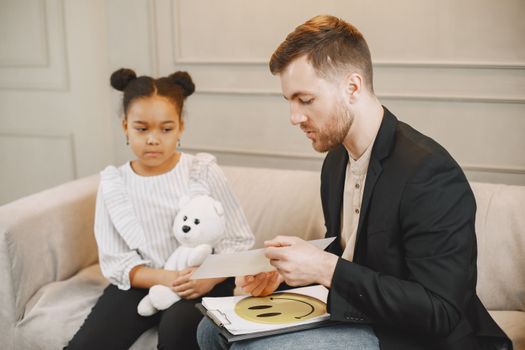
Waiting for the perfect moment usually costs more than starting somewhere reasonable. If your child is having a hard time with daily routines, sensory demands, or the motor skills school expects, an occupational therapy assessment is a sensible first step, and it can run alongside ABA or speech therapy rather than instead of it.
OBSS is currently accepting new clients across all Mississauga neighbourhoods, with both in-home and centre-based services at a centre near Square One. There is no waitlist, and evening and weekend sessions are available. If you are unsure whether occupational therapy, ABA, or a combined approach fits your child’s needs, starting with a conversation is the simplest way to find out. Visit obss.ca to learn more about programs and next steps.
Frequently Asked Questions
What does an occupational therapist do for a child with autism?
An occupational therapist helps autistic children take part in everyday activities. That can include sensory regulation, motor coordination, play skills, daily living tasks such as dressing and feeding, and school participation. Rather than working on skills in isolation, the therapist builds goals around real routines at home, in childcare, and at school so progress carries over into daily life.
Where can I find occupational therapy for autism in Mississauga?
Several providers serve Mississauga, including Nexus ABA Therapy, Hope Autism Services, KickStart Therapy, Papillon Family Health in Meadowvale, Monarch House Mississauga, Always Connected Treatment Network, Innovative Occupational Therapy Services, and Shining Stars Support. ErinoakKids also lists occupational therapy among its services with a Mississauga site. Settings vary between clinic, home, community, and virtual, so confirm current availability directly.
Is pediatric occupational therapy covered by funding in Ontario?
Families may access pediatric occupational therapy through private pay, extended health insurance, or Ontario Autism Program (OAP) core clinical services, depending on the provider. Coverage rules differ between insurers and clinics, and OAP details sit outside any single provider. Check your plan and confirm current program information with the relevant official source before you budget for treatment.
Can occupational therapy happen at home or at school instead of a clinic?
Yes, in many cases. Some Mississauga providers offer in-home, community, and centre-based occupational therapy, while others deliver services across centre, home, school, community, and virtual settings. The right setting often depends on the goals. Skills such as dressing or mealtime routines are sometimes best practised where they naturally happen.
How is occupational therapy different from ABA therapy?
ABA therapy typically targets learning, communication, and behaviour using structured teaching and reinforcement. Occupational therapy focuses on sensory processing, motor development, and daily living skills. The two often complement each other, and many Mississauga families use both at once so that skills practised in one setting are reinforced in the other.